Traveling to Antarctica is a unique experience, but it also raises many questions before you set out. From the necessary documentation to the right clothing for polar conditions, we've compiled the most frequently asked questions to help you prepare for your expedition with peace of mind.
Antarctica does not belong to any country and does not require its own visa. However, immigration requirements will depend on the countries from which you depart or in which you make a stopover during your trip. It is each passenger’s responsibility to verify and ensure they have the necessary documentation to enter or transit through those countries.
To board, you must have a valid passport in good condition that remains valid for the duration of your trip. We recommend checking the expiration date well in advance and bringing a digital copy of your personal documents.
Yes. Most cruise lines require passengers to have travel insurance that includes medical assistance and emergency evacuation. Before you travel, make sure your policy meets the requirements set by the cruise line.
Dressing in layers is the best way to stay comfortable during an Antarctic expedition.
Many companies provide an expedition parka and waterproof boots for shore excursions, although this may vary by operator.
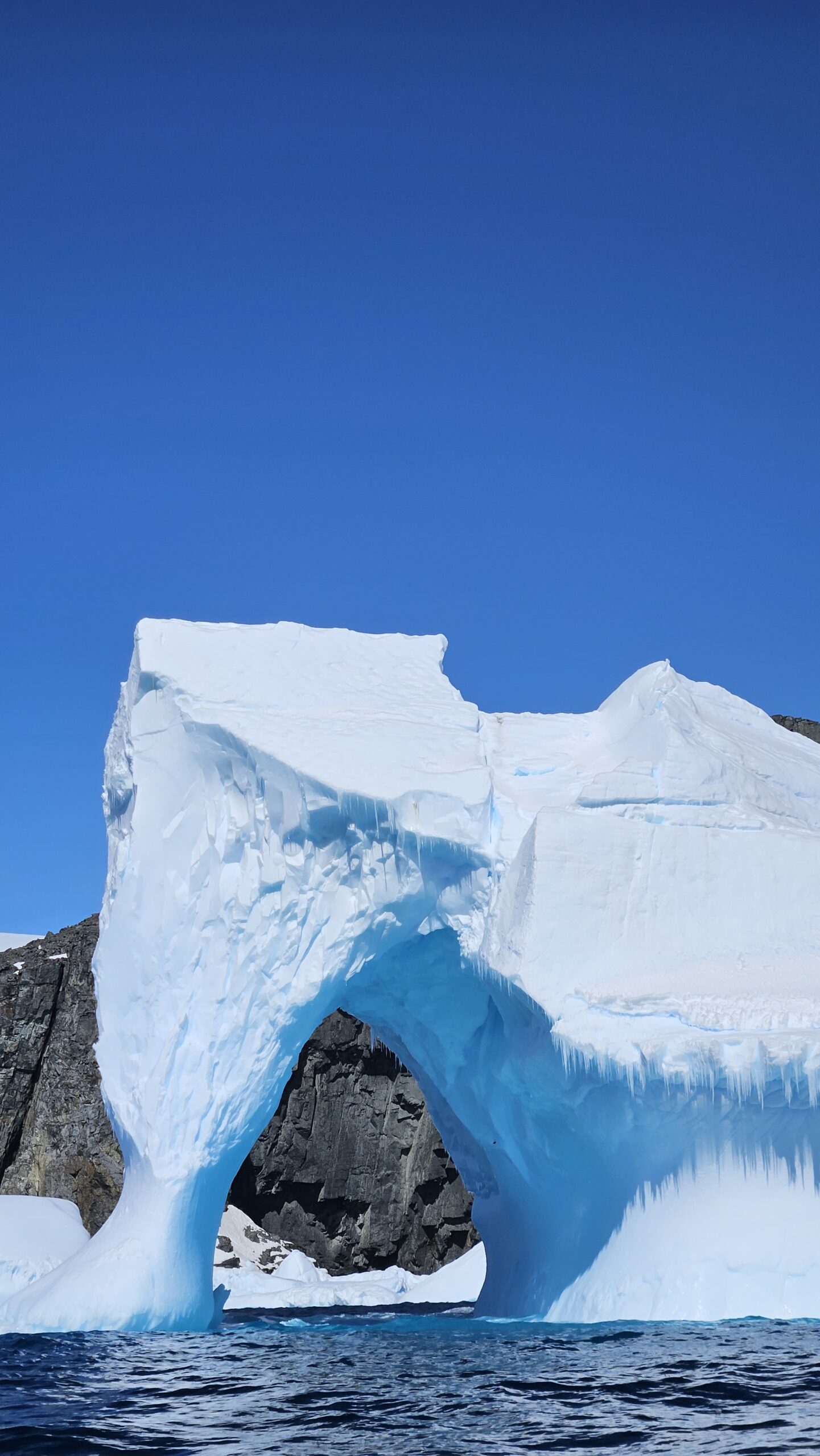
During the tourist season, from November through March, temperatures are usually more moderate than many people imagine. In general, they range from -5°C to 5°C, although the wind chill can make it feel different.
Drake Passage is known for its changeable conditions and can have significant swells. Some people experience seasickness while sailing.
If you're prone to motion sickness, consult your doctor before your trip about possible medications or preventive treatments.
Most ships offer satellite internet service, although the connection is usually limited, slower than on land, and may incur additional charges. Availability varies by ship.
In general, the recreational use of drones is restricted or prohibited for environmental and safety reasons. Policies vary depending on the company and applicable regulations.
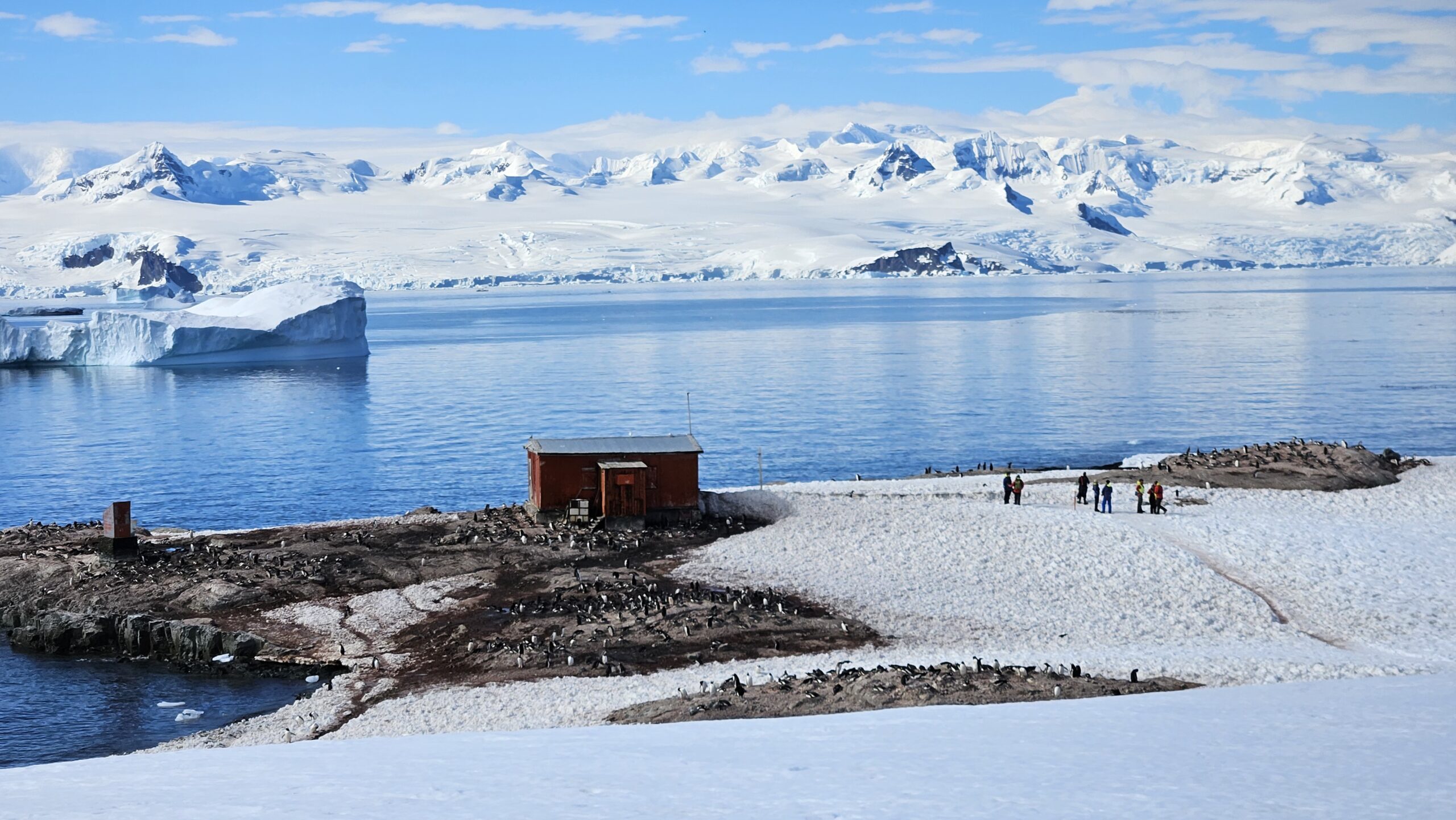
Yes. Most expeditions include landings at various locations on the Antarctic Peninsula and the South Shetland Islands, provided that conditions
Landings are made using support boats known as Zodiacs. No prior experience is required, as the expedition team provides detailed instructions and assistance during each operation.
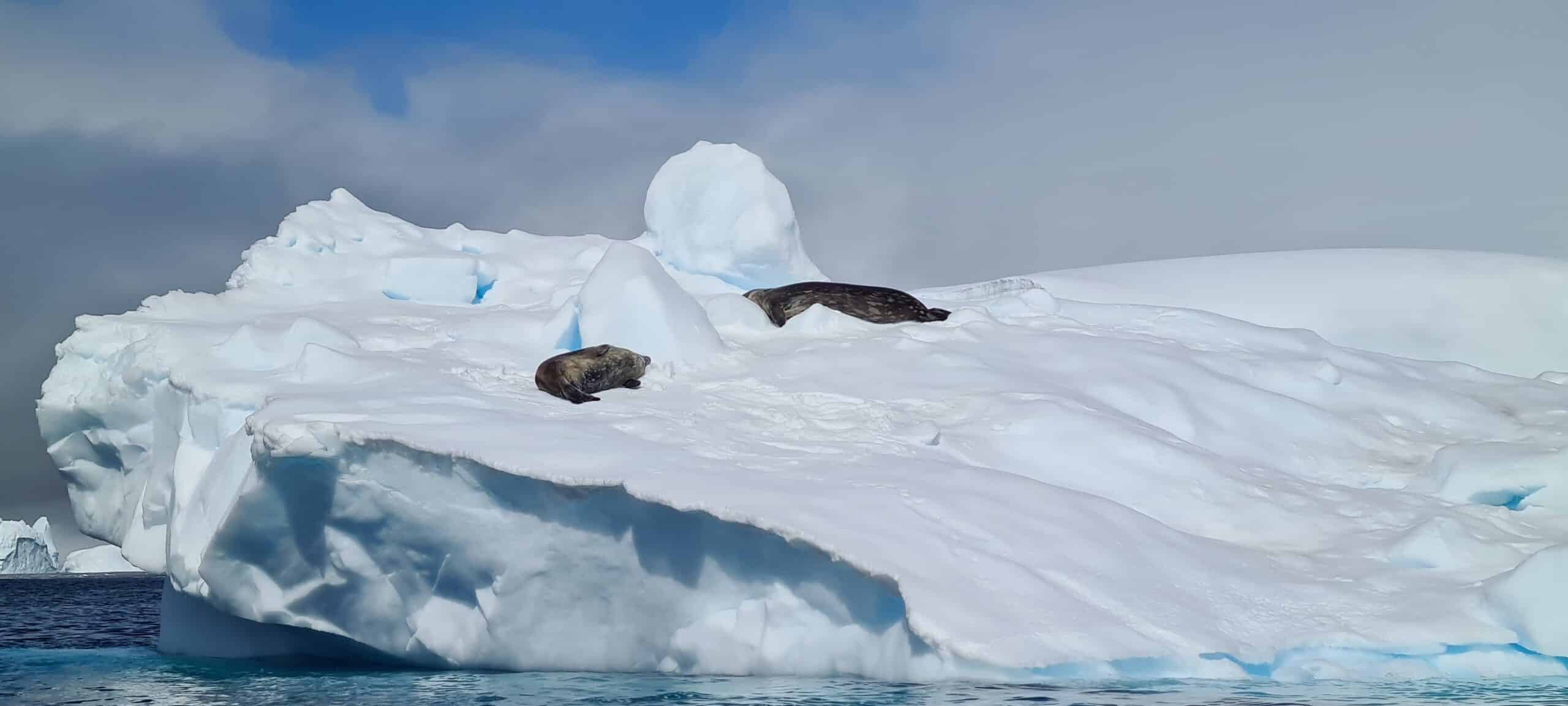
Depending on the time of year and the area you visit, you may see:
Baggage allowances vary by airline and shipping carrier. We recommend checking the specific terms and conditions of your reservation before traveling.
Antarctica is one of the most fragile ecosystems on the planet. All visitors must follow the expedition team's instructions, keep their distance from wildlife, avoid leaving behind any trash, and respect the conservation rules established to protect this unique environment.
Before boarding
✔ Check the validity of your passport
✔ Purchase appropriate travel insurance
✔ Fill out forms requested by the company
✔ Review immigration requirements for transit countries
✔ Pack technical clothing for cold weather
✔ Report any relevant medical conditions
Good preparation is the key to getting the most out of one of the most extraordinary experiences there is: exploring the White Continent.
Although services may vary depending on the company and the itinerary chosen, most Antarctic expeditions typically include:
Private or shared cabin for the entire voyage.
Breakfast, lunch, dinner, and snacks during the expedition.
Guided shore excursions and Zodiac boat tours, subject to weather and operational conditions.
Presentations by experts in biology, geology, polar history, and Antarctic wildlife.
Accompaniment by specialized guides throughout the trip.
In most cases, the fees associated with shipping are already included in the price.
Many companies provide boots for shore excursions and, in some cases, an expedition parka as part of the program.
It is important to note that some services are typically billed separately:
💡 Important: The services included may vary depending on the cruise line, the ship, and the itinerary booked. We recommend that you always review the specific details of each cruise before making a reservation.