Tierra del Fuego’s cuisine stems from an extreme yet fascinating environment: the vastness of the steppe, the southern forests, and the cold waters of the Beagle Channel. It is a cuisine with its own distinct identity, where every flavor reflects the land from which it comes.
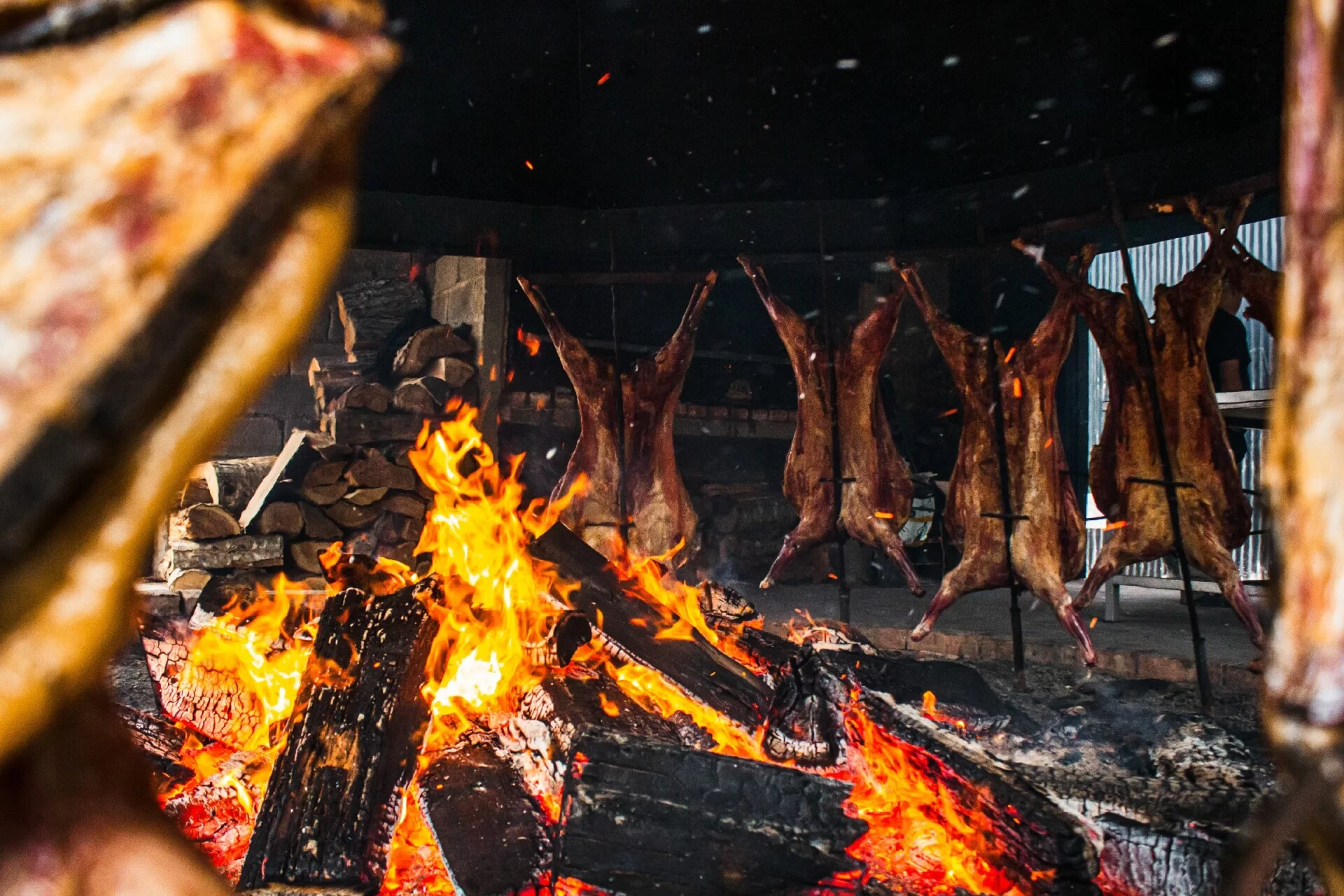
Lamb is one of the great symbols of the south, but lamb from Tierra del Fuego has a unique character.
Raised in the wild, fed on natural pastures, and shaped by the island’s constant winds, its meat is leaner, more tender, and has a well-balanced flavor. Unlike lamb from the Patagonian mainland, it tends to be smaller and less fatty, resulting in a more delicate texture.
Slow cooking over an open fire on a spit not only brings out the meat's best qualities—it is also part of a tradition that is integral to the local identity.
Trying it in its place of origin isn't just a meal… it's a way to connect with the history of the estancias of Tierra del Fuego.
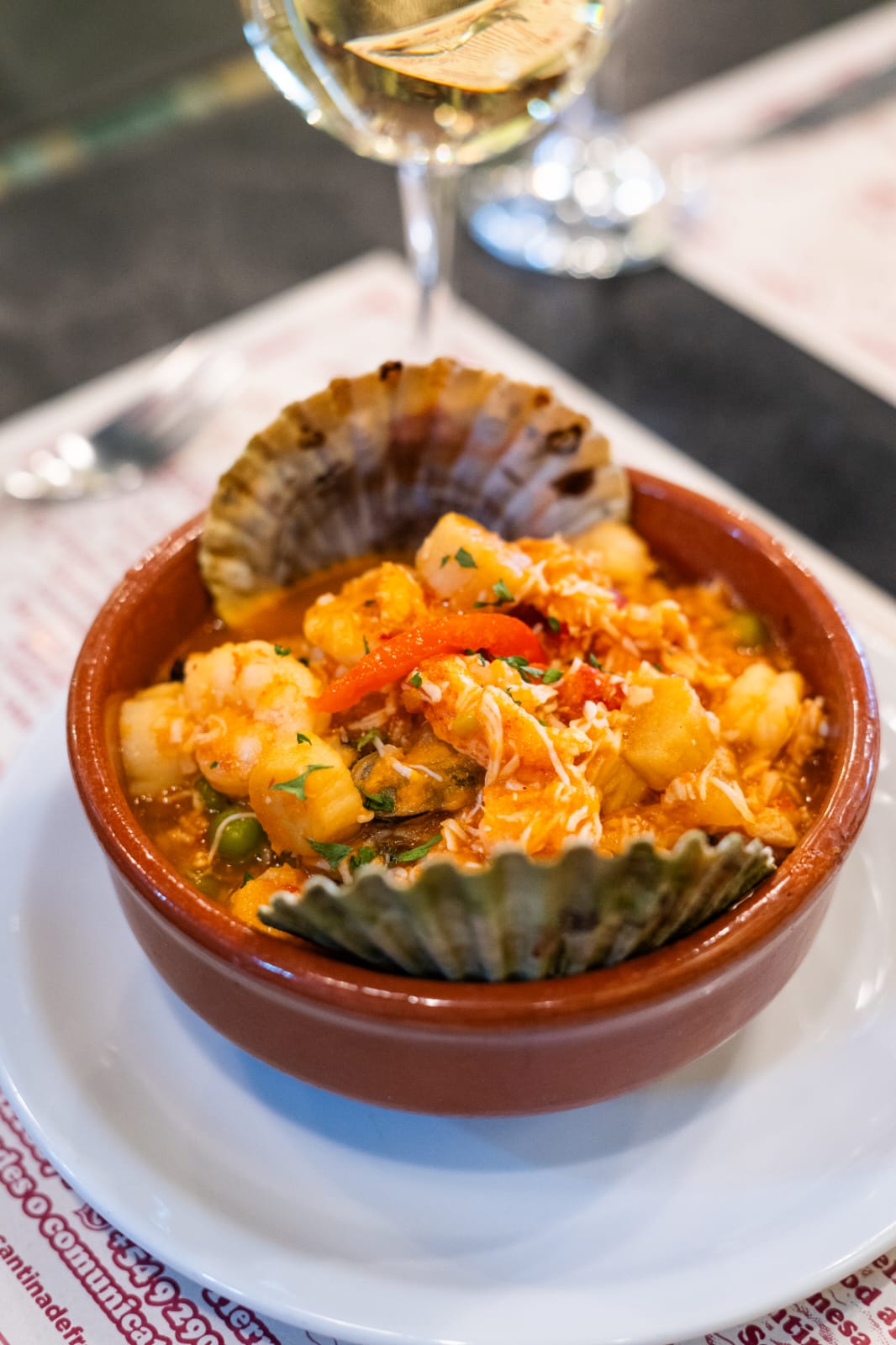
From the depths of the Beagle Channel come the most prized treasures of the local cuisine: seafood platters, ceviches, and many other options for enjoying the freshest seafood the End of the World has to offer.
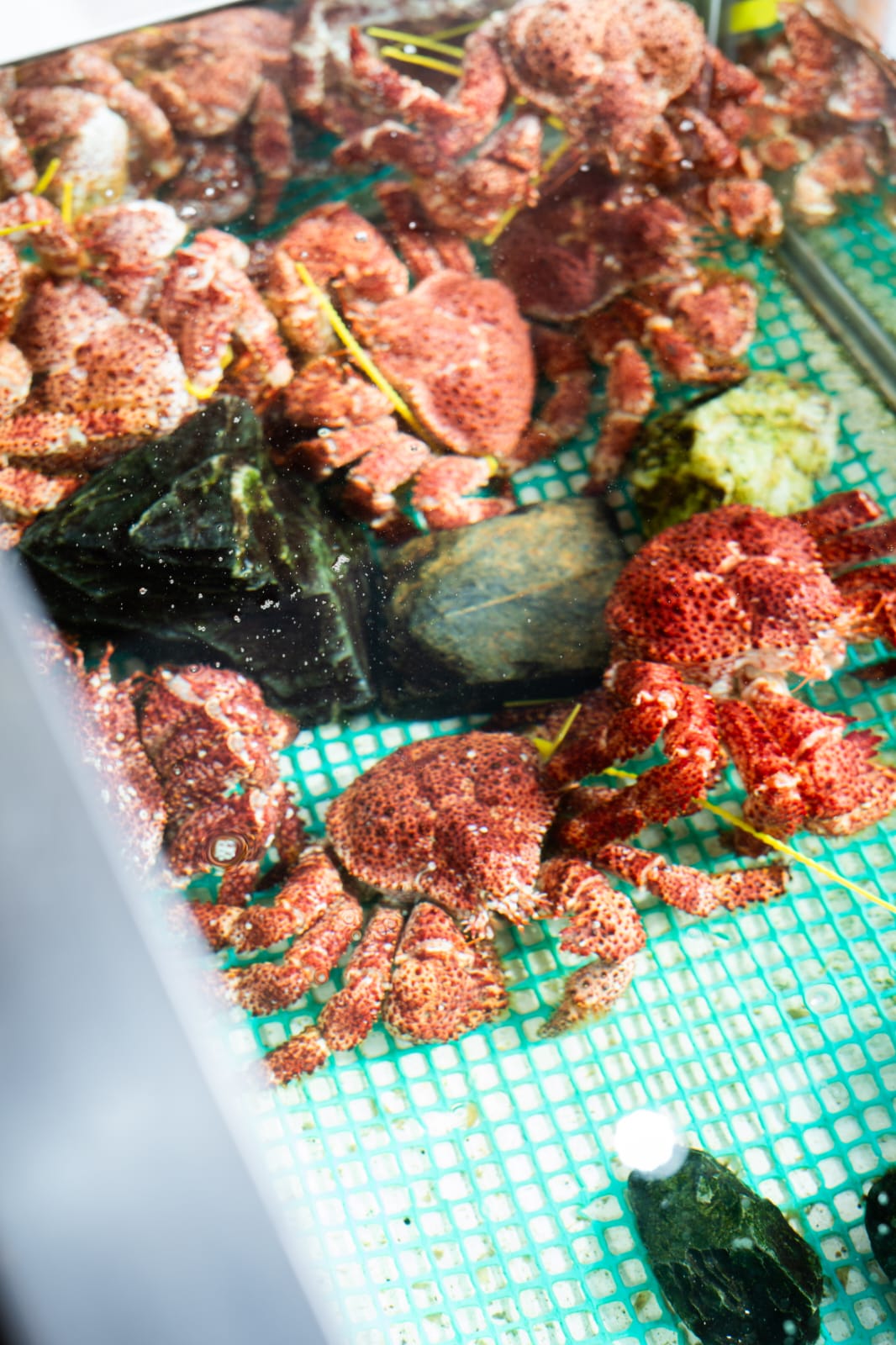
The spider crab, famous for its delicate and slightly sweet meat, is one of the destination’s greatest icons. Its freshness—it’s often caught and served the same day—makes it an unparalleled culinary experience.
Please note that, since this is a regulated species, it will be available from July 1 through February 30, as this is the closed season to protect the species’ breeding period; during this time, you can enjoy spiny lobster.
The giant spider crab, which is more robust, has firm meat and a more intense flavor, making it ideal for those looking for a heartier version of this classic dish from Tierra del Fuego.
Both represent the bounty of the Southern Ocean and the tradition of fishing that still relies on artisanal methods.
Long before the arrival of the settlers, indigenous peoples such as the Yámanas were already making use of the sea’s resources, especially mollusks and crustaceans. Their way of life was deeply connected to their environment.
Over time, sheep farming—introduced by the ranches—became part of this culture, giving rise to a cuisine that today combines the best of the sea and the land.
An identity that was built over time… and that you can savor today.
At the End of the World, gastronomy isn't just about a single dish—it's part of the journey.
Exploring the landscapes where these flavors originate completely transforms the experience. From the inland valleys and lakes to the coast of the Beagle Channel, every corner adds context and emotion.
Excursions such as the coastal route to Puerto Almanza, known as the The Centolla Route that allow you to discover the origins of these products, get to know the people behind them, and enjoy gastronomy at its finest.
Similarly, the classic outings to the Lakes of Tierra del Fuego They combine nature, history, and regional flavors in a unique setting.

Tierra del Fuego is best explored with your eyes… but also with your taste buds.
Every experience is an opportunity to discover new flavors, understand their origins, and connect with the essence of the place.
Would you like to experience it firsthand?
Add a culinary experience to your trip and discover the End of the World from the inside.